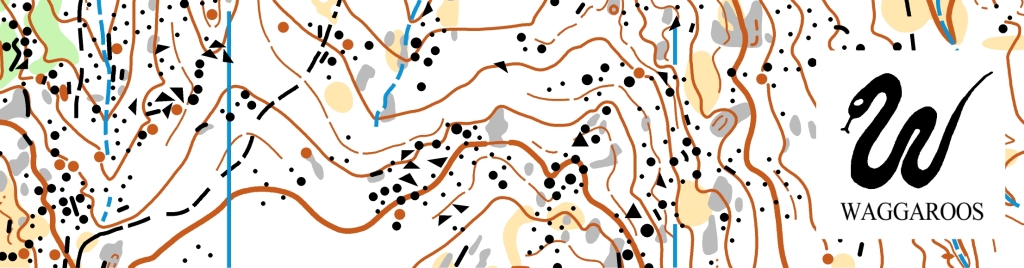
Orienteering is a sport which combines outdoor adventure with map reading and navigational skills. It involves navigating though the bush, parks or streets with the aid of a specially produced map which gives detailed information on the terrain such as hills, ground surface, obstacles etc, and an orienteering compass. The aim is to locate checkpoints (controls) on various natural and man-made features along the way, such as a boulder, track junction, bench seat or street lamp. Controls are generally represented by distinctive orange and white flags.
The skill in orienteering is in choosing the best route between controls — while beginners’ courses may not offer choice, as you progress you will learn to decide between options — perhaps over a hill or a longer route which goes round it. It is this stimulating mental challenge as well as the physical activity that makes orienteering so popular. Each event may have a number of courses of differing lengths and levels of difficulty occurring at the same time.
A new format for orienteering is MapRun. This format involves using GPS tracking on a smartphone (or watch) to complete a course. There are no control markers on the ground but you still use a map – on your phone or a physical map -to navigate to “virtual controls”. When you reach the right location, your device will record that you have found the control!
If you are new to Orienteering, have a look at our Training Resources page which has a number of resources to help you understand what orienteering is and how you can improve your skills.
 Wagga and Riverina Orienteers Incorporated